French Poem Readings
In this section, I am going to read classical French poems twice: once slowly - so you can repeat after me - and once faster, with my own interpretation of the poem. I will also sometimes tell you about the author, or explain the vocabulary or the meaning of the poem, all in easy everyday French.
In my "Easy French poems and analysis" series, I read and explain using simple words the very most famous French poems, such as "Demain, dès l'aube", "la Cigale et la Fourmi", "Parfum Exotique"... and talk about the author's life (Hugo, La Fontaine, Baudelaire...). These analysis are a great way to improve your understanding and vocabulary, train your brain to stay focus for a longer discussion and learn about French culture and poetry.
I will be adding new readings regularly, so come back often, or subscribe to my newsletter to receive exclusive French tips, sales and updates.
You like the challenge of longer yet reachable French recordings? You are interested in French culture? Did you try my Fun French Tales?
"L'Abeille" de Paul Valéry
Paul Valéry croit que la poésie possède un pouvoir émotionnel qui peut être presque magique. Pour lui, un poème parfait ressemble à une formule magique, et le sens logique d’un poème n’a pas beaucoup d’importance. En fait, il a donné à un de ses recueils de poésie le nom « Charmes ».
"Liberté" de Paul Eluard
Né en 1895, Paul Eluard, de son vrai nom Eugène Grindel, est le co-fondateur du Surréalisme. Ses poèmes d’amour glorifient la femme, ses poèmes politiques luttent pour un monde plus juste, fondé sur l'amour et le partage. Paul Eluard maitrise tous les styles ; la prose rythmique, l’écriture libre ou bien même les Alexandrins. Pendant la deuxième guerre mondiale, il fait partie de la Résistance et a secretement distribué des poèmes politiques, en particulier ce poème mondialement connu, que je vais vous lire aujourd’hui "Liberté".
"Sonnet XXIV" de Louise Labé
Today, I’m going to read the poem Sonnet 24 by Louise Labé, the first recognized French poetess. She was born in Lyon, between 1520 and 1525. She was raised during one of the most interesting centuries in literature's history. The Middle Ages were over, and the Italian renaissance was creating a revolution in France’s artistic life. The message of the poem is simple and still so very modern: love and its torments...I will read the poem once slowly so you can repeat after me, then I’ll read it faster with a personal interpretation.
"À Une Passante" de Charles Baudelaire
Au milieu d’une rue étourdissante, le poète croise du regard une femme qui passe et il est ébloui par sa beauté et sa noblesse. Quand elle disparaît tout à coup dans la foule, il devient découragé. Mais malgré la brièveté de l’instant, il découvre qu’il se sent profondément touché par l’expérience. Le thème est la rencontre, l’espoir puis l’échec de l’amour.
"Le Rameur" de Paul Valéry
"Le Rameur" describes a man who is rowing on a beautiful river. All is calm and you can only hear the sounds of his oars. The images are gorgeous and so is the rhythm. Then the poet starts to compare his effort to row with the effort of living ; the river becomes the time that passes, he fights it but it brings him inevitably towards death.
"Le Paresseux" de Marc Antoine Girard de Saint-Amant
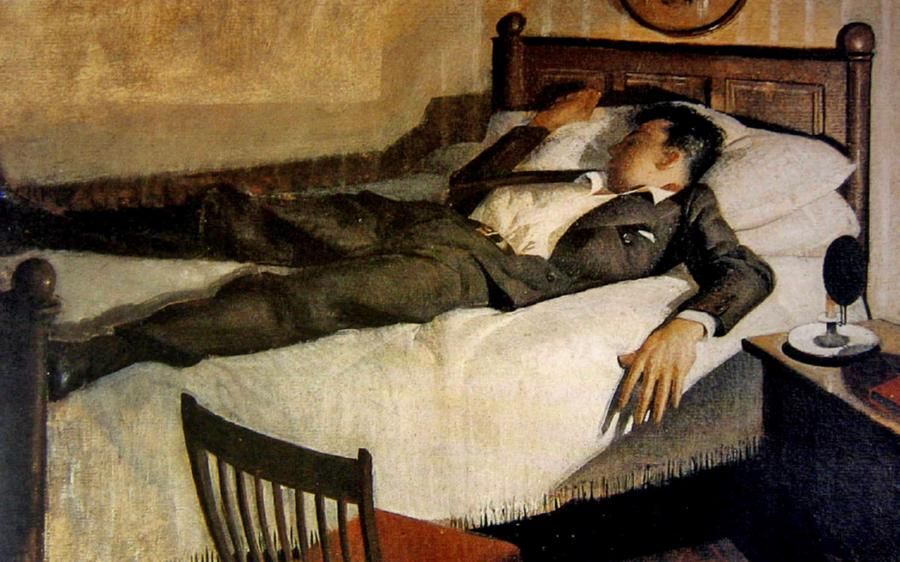
This poem in middle French, from the 17th century, is an hymn to indolence. Saint-Amant was a libertin poet, who enjoyed all the pleasures of life, liked to eat, drink, smoke and rest, as depicted in this poem.
"La Chandeleur" Sale

Save 20% Off on All Product Purchases
Sale Ends February 10th